
 English
Menu
English
Menu




Tracer Hub is Alberta's provincial program responsible for producing specialized medicines used in nuclear imaging and cancer care called radiopharmaceuticals.
Tracer Hub brings together the Edmonton and Calgary Radiopharmaceutical Centres (ERC and CRC) to ensure patients across the province have reliable access to important diagnostic and therapeutic tools.
Tracer Hub currently operates two cyclotrons (Class II Nuclear Facilities), cleanroom laboratories, and a provincial quality management program. Our experienced team produces high-quality radiopharmaceuticals that meet or exceed strict national and international safety and quality standards.
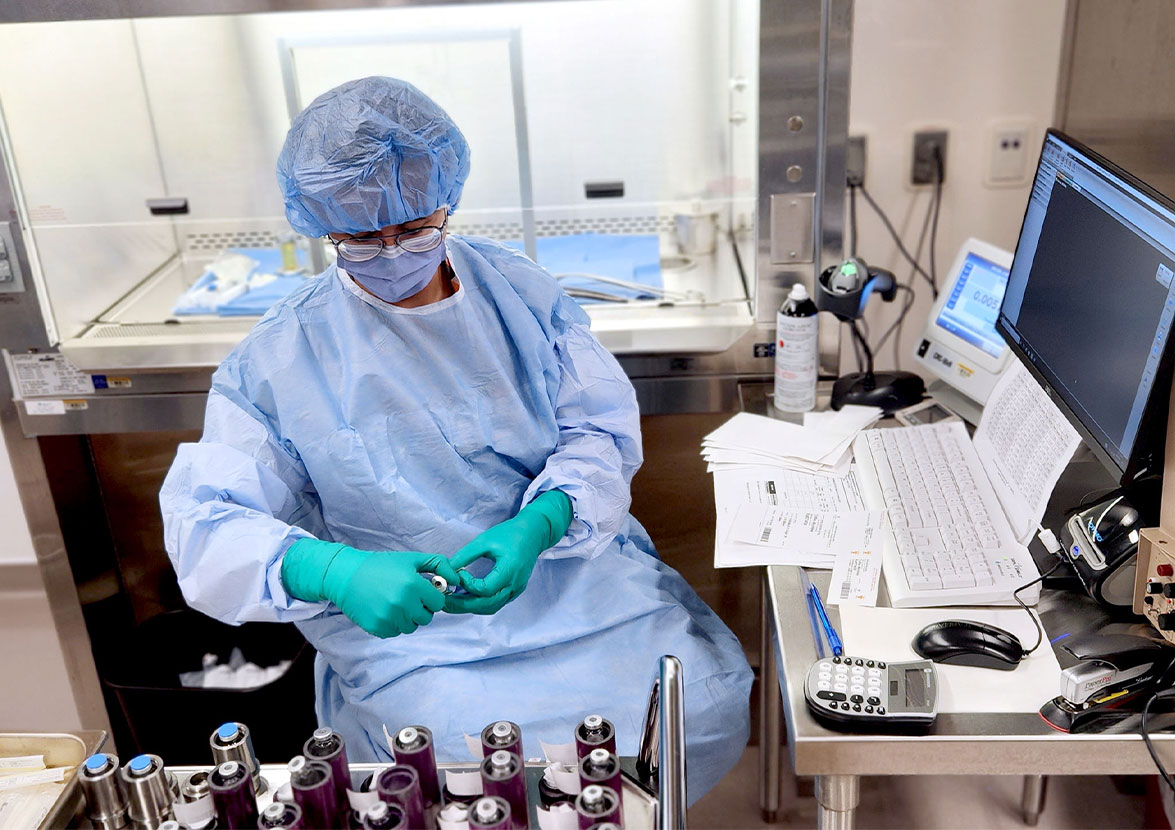
Tracer Hub supplies radiopharmaceuticals to more than 20 imaging facilities across Alberta, serving approximately 75,000 patients annually.
Through clinical trials and research partnerships, Tracer Hub helps bring new radiopharmaceuticals to Alberta, often before they are commercially available. This gives eligible patients earlier access to innovative diagnostic and treatment options.
Tracer Hub is the only Canadian supplier of several specialized cold kits used in nuclear medicine. It distributes around 20,000 kits each year to over 142 hospitals, supporting patient care in communities across the country.
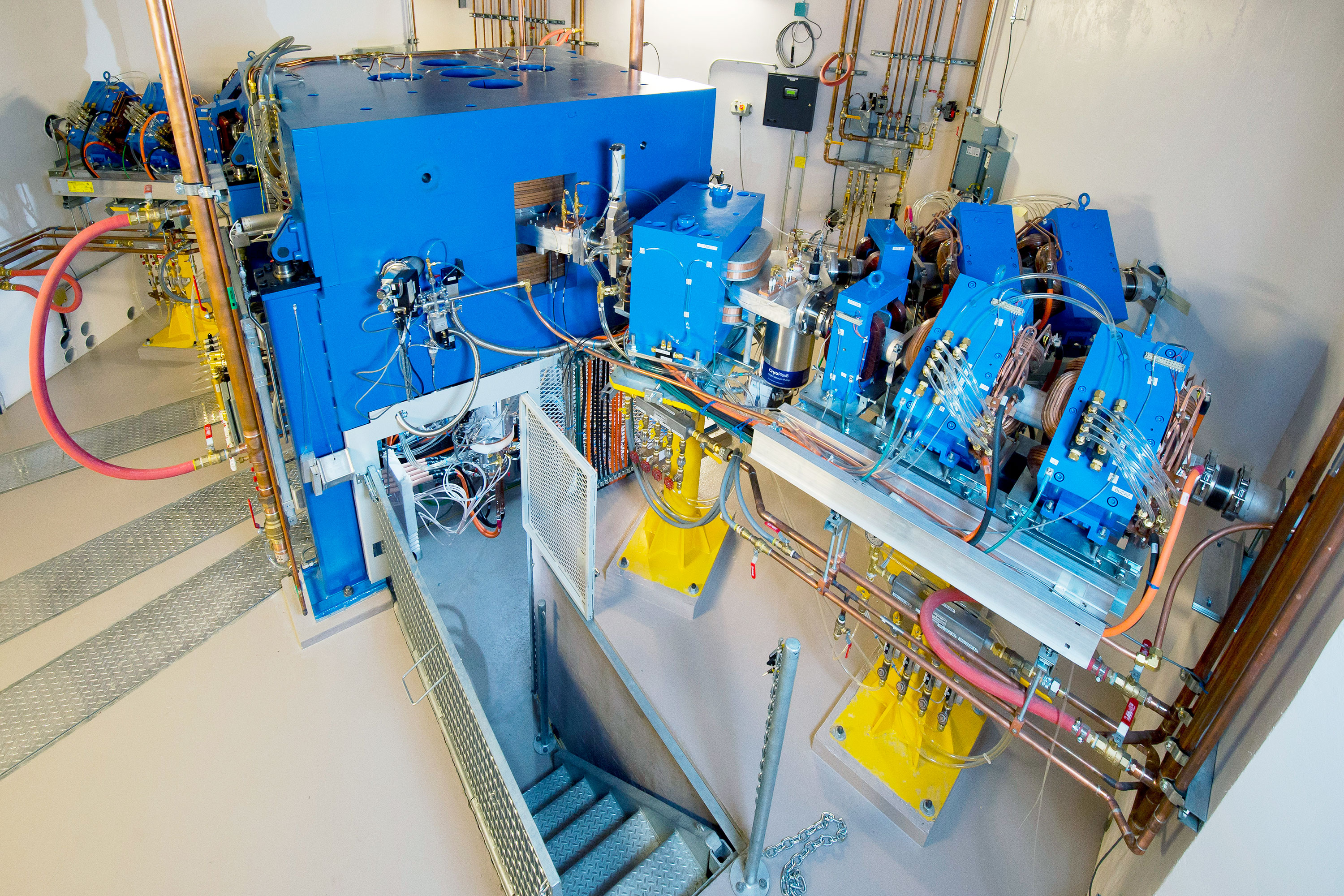
Tracer Hub operates two cyclotrons in Edmonton, at the Cross Cancer Institute (CCI) and at the Medical Isotope and Cyclotron Facility (MICF). These cyclotrons produce various radioisotopes for clinical and research use. They are designed to support one another to keep services running during scheduled or unplanned maintenance.
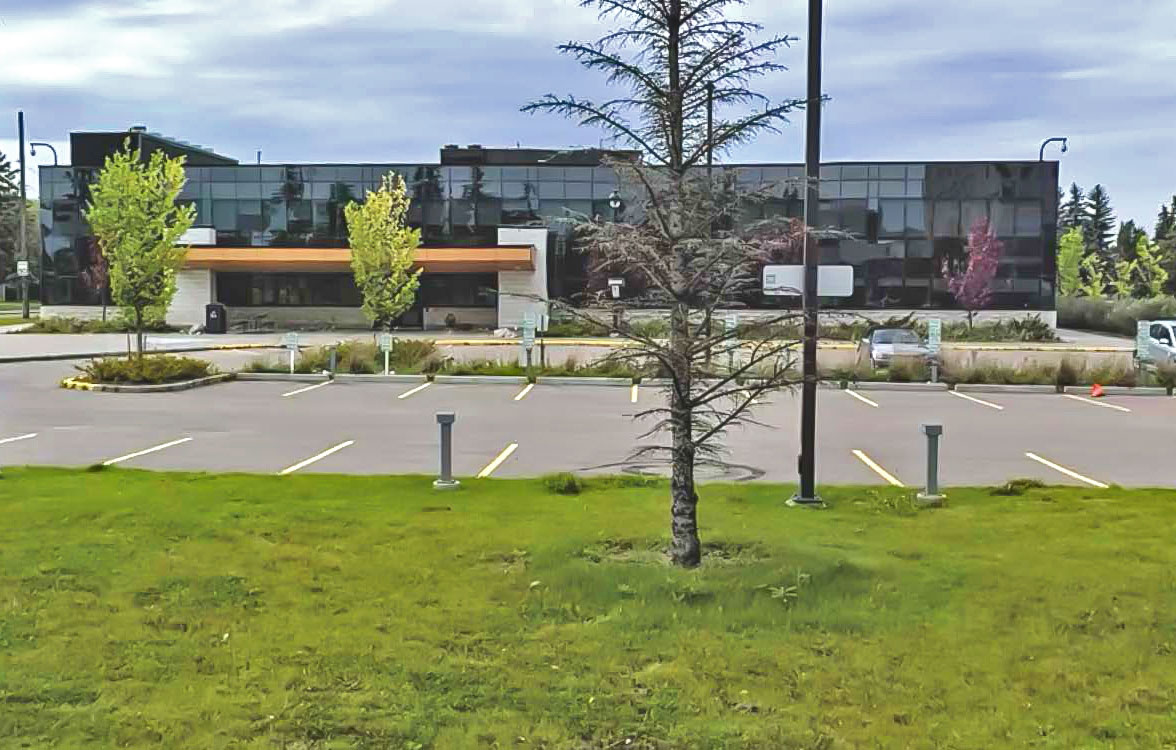
A new radiopharmaceutical facility is currently under construction next to the Tom Baker Cancer Centre in Calgary which will expand the resources and capability of the Calgary Radiopharmaceutical Centre. Scheduled for completion in 2027, this new building will house a third cyclotron, significantly expanding radiopharmaceutical production capacity to meet Alberta's demand for the next 30 years. For more information, visit Calgary Radiopharmaceutical Centre.
Explore images of Tracer Hub's cyclotron facilities, cleanrooms, and production areas to learn more.
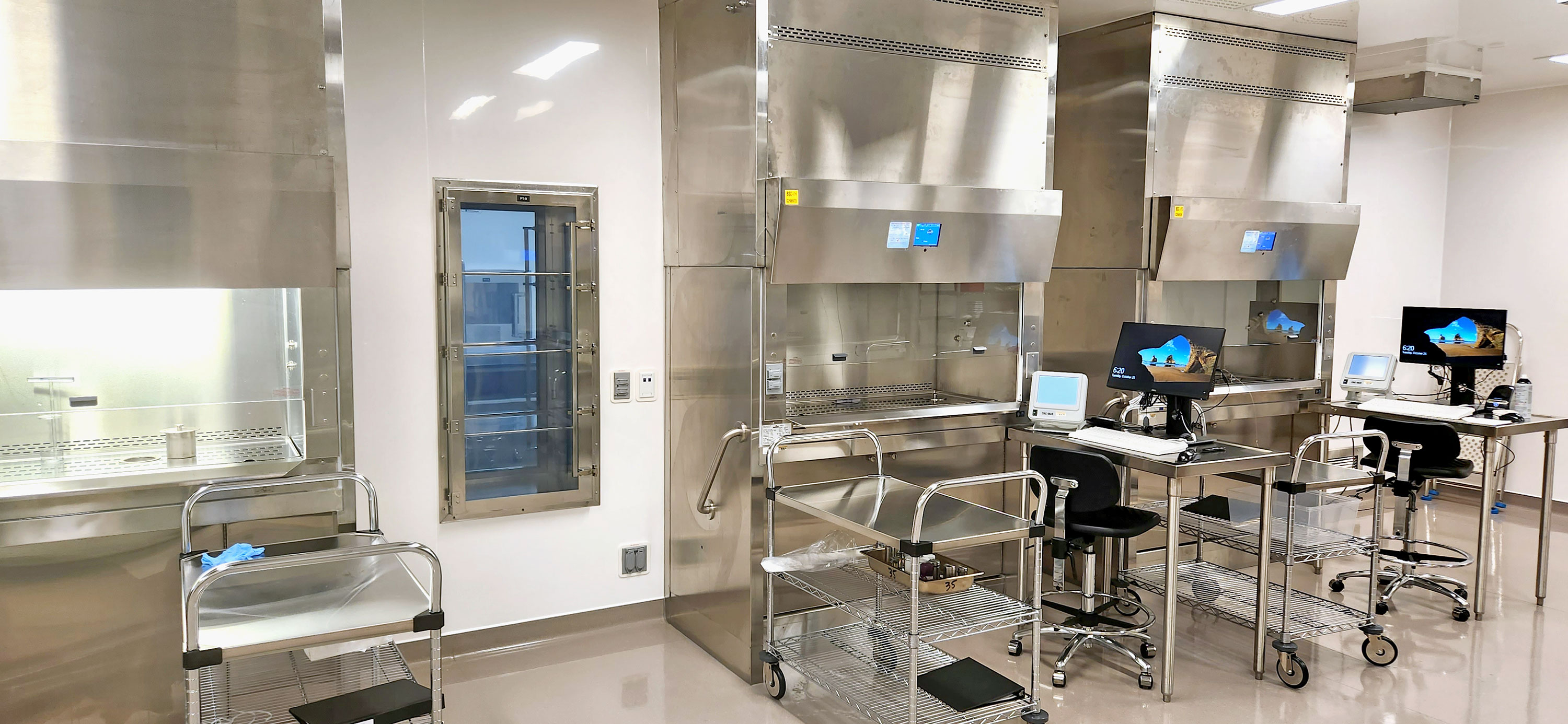
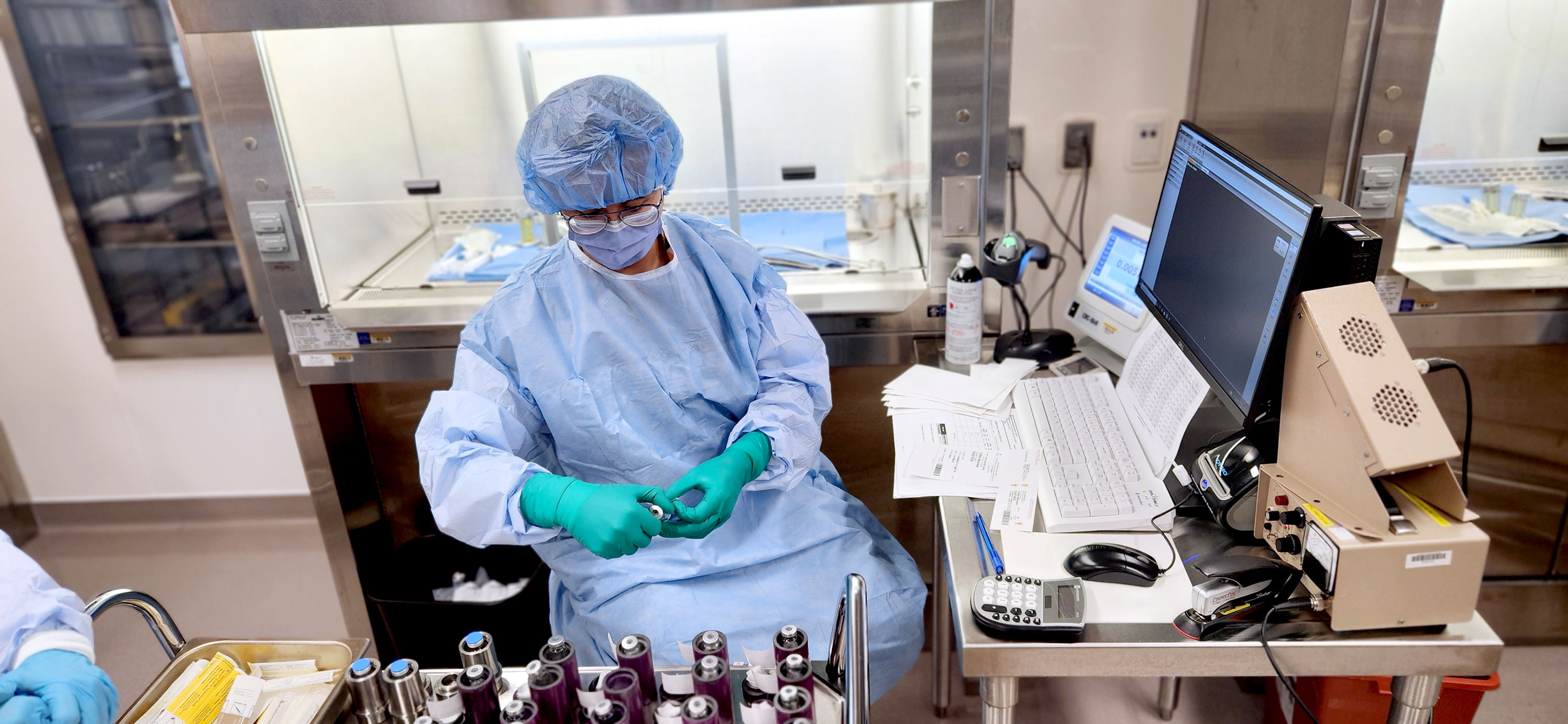
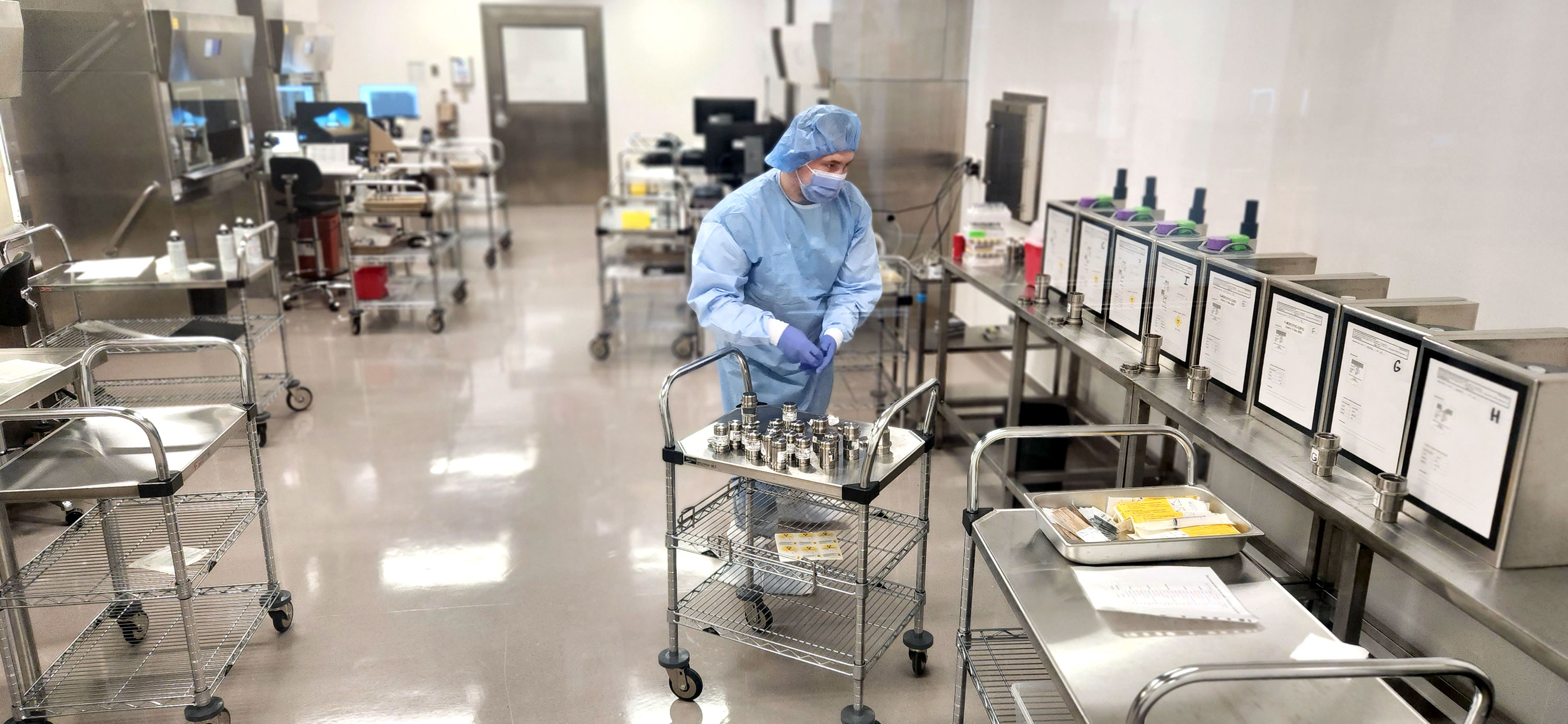
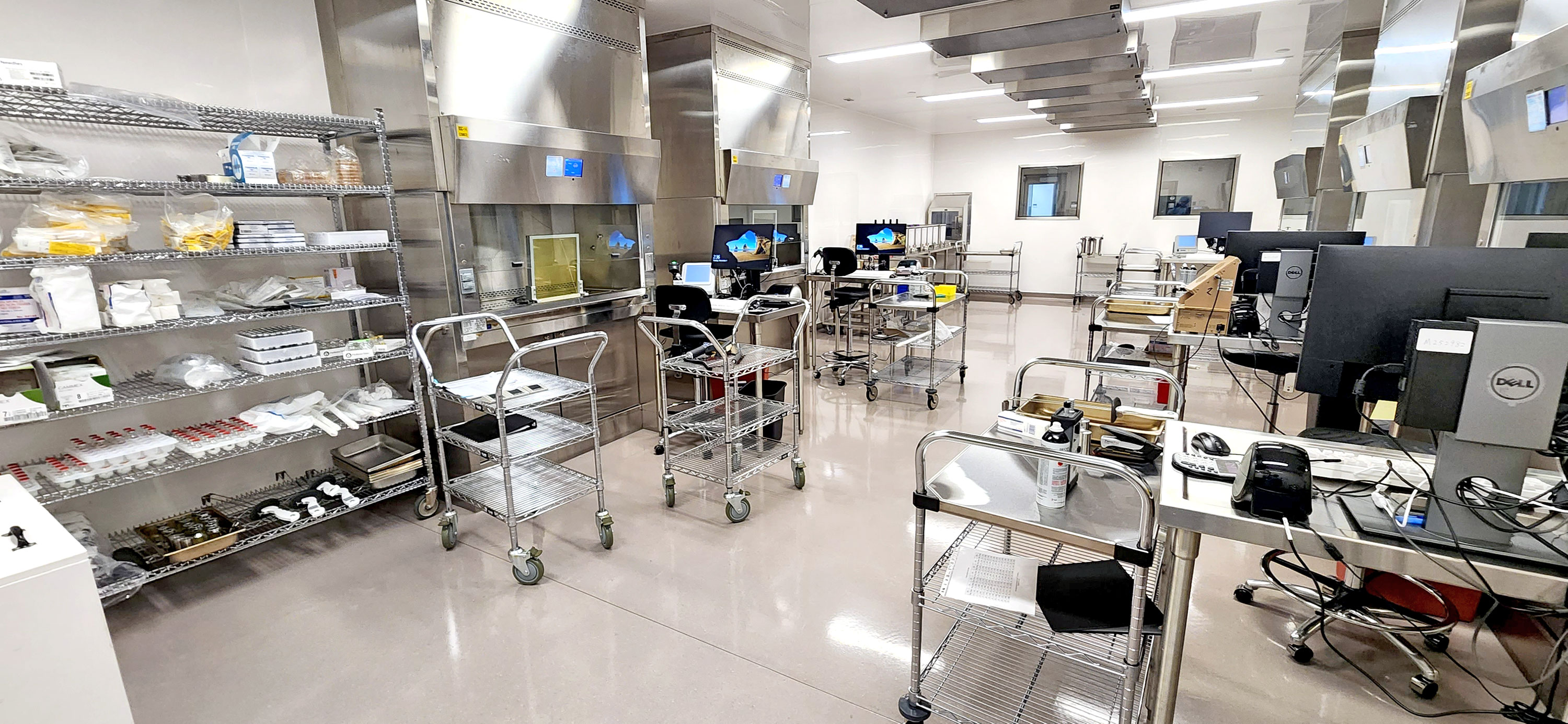

![Making 18F-Fluorodeoxyglucose ([18F]FDG) is a radioactive form of glucose used in positron emission tomography (PET) scans that helps find cancer in the body.](https://www.albertahealthservices.ca/assets/info/di/if-di-rsa-gallery-6.jpg)
What are Radiopharmaceuticals?|What is a Radiopharmacy?|What is a Cyclotron?|Are Cyclotrons Safe?|Learn More
Radiopharmaceuticals are special medicines that contain a small amount of radioactive material. They help doctors diagnose and treat conditions such as cancers, bone disease, strokes, epilepsy, Parkinson's disease, and dementia. Radiopharmaceuticals are used in imaging procedures such as positron emission tomography (PET) and single-photon emission computerized tomography (SPECT) scans, which show how tissues and organs are working.
A radiopharmacy safely produces radiopharmaceuticals for use in medical imaging or therapy. Staff follow strict regulations to ensure each dose is accurate, sterile, and safe for patients.
A cyclotron is a type of particle accelerator that produces radioactive isotopes. It accelerates charged particles in a circular path using magnets and electric fields. These isotopes decay quickly, so they must be produced close to where patients receive care.
Yes. Cyclotrons use clean technology and can be safely and quickly shut down, unlike nuclear reactors. They do not use nuclear material to produce radioactivity and do not create long-lasting radioactive waste.
Tracer Hub's cyclotrons operate under a Class II Nuclear Facility license issued by the Canadian Nuclear Safety Commission (CNSC).
Safety is built into every step of the process, including:
For health advice 24/7 phone 811 a free health information service. You have options to speak with a variety of health professionals.
Alberta Health Services values your input. Your feedback will help us continuously improve the quality of Alberta's healthcare system.
Online payment is available for hospital stays, food handling permits, ambulance services, courses, parking citations, and parking permits.