
 English
Menu
English
Menu




February 5, 2026
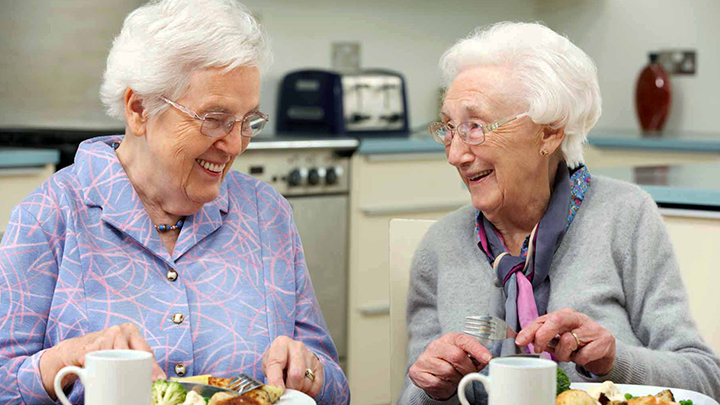
Supplied.
Story by Heather Kipling
Eating disorders are illnesses that affect the brain, influencing judgement and emotions. All eating disorders can be associated with serious medical and psychological complications and early detection and intervention are important.
Generally, if the way one eats or thinks about food interferes with life and prevents one from enjoying life, that may be a sign to reach out to a talk to someone.
Eating disorders do affect older adults, a group who is often overlooked despite facing unique challenges. Many feel shame about experiencing what is seen as a “teenager’s problem,” while others have lived with disordered eating for so long that the behaviours may feel entrenched. Older adults can become increasingly aware of the emotional, social, or physical losses linked to long standing body image concerns.
These struggles are often intensified by life stage transitions such as menopause, relationship changes, caregiving demands, retirement, and the natural changes associated with aging. Major life events, such as bereavement, illness, shifting family roles, or relocating, can also disrupt coping and trigger or worsen disordered eating.
In later life, eating disorders may appear as strict dieting, fasting, heightened preoccupation with food or weight, social withdrawal around meals, or unexplained nutritional decline. Because these behaviours can be subtle or is assumed to be due to aging, they are easy to miss. Because eating disorders can emerge or recur later in life, clinicians should stay alert to age related risk factors and ensure screening is not limited by age.
What to do if you suspect an Eating Disorder?
If you feel like you, or someone you care about, may have an eating disorder, you are not alone and help is available.
Reach out to your healthcare provider or call the AHS Mental Health Help Line at 1-877-303-2642.
For more information about eating disorders and Eating Disorder Awareness Week, visit the Eating Disorder Support Network of Alberta at edsna.ca or National Eating Disorder Information Centre at nedic.ca.
For health advice 24/7 phone 811 a free health information service. You have options to speak with a variety of health professionals.
Alberta Health Services values your input. Your feedback will help us continuously improve the quality of Alberta's healthcare system.
Online payment is available for hospital stays, food handling permits, ambulance services, courses, parking citations, and parking permits.