
 English
Menu
English
Menu




April 20, 2026
Story by Su-Ling Goh | Photos & video by Leah Hennel
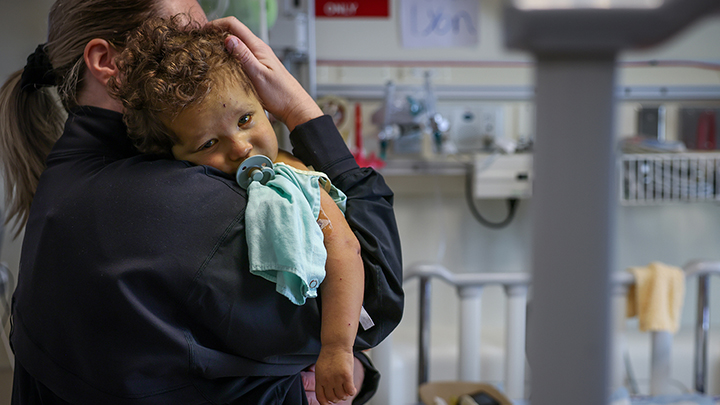
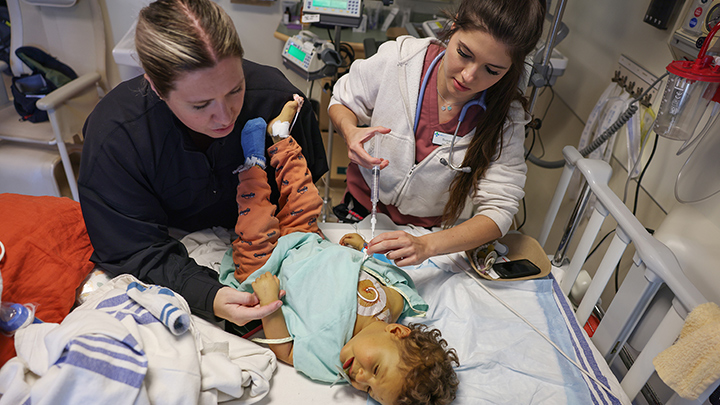
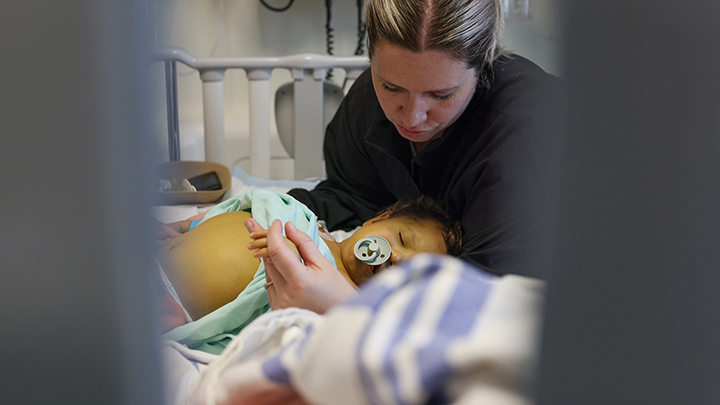
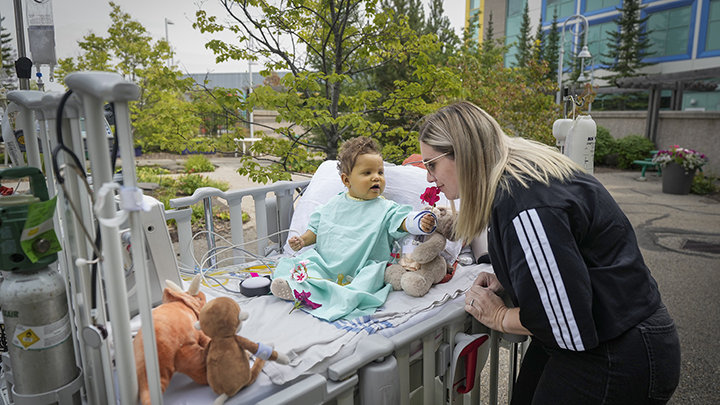
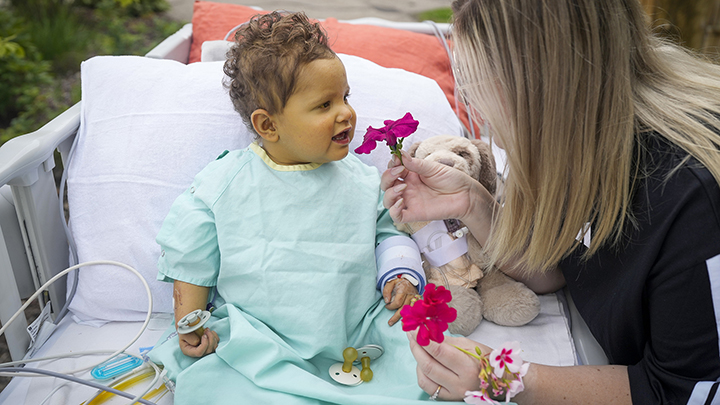
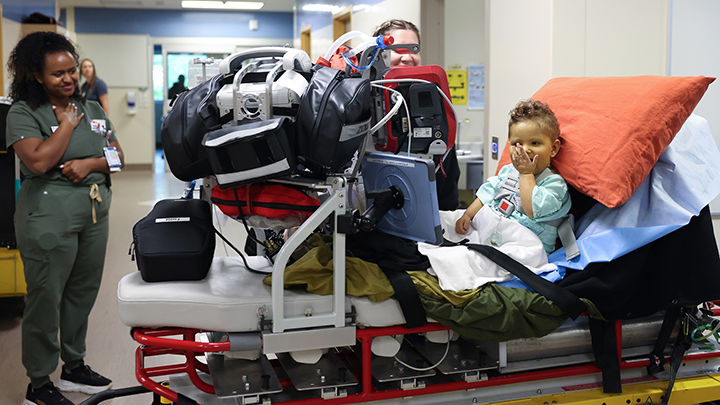
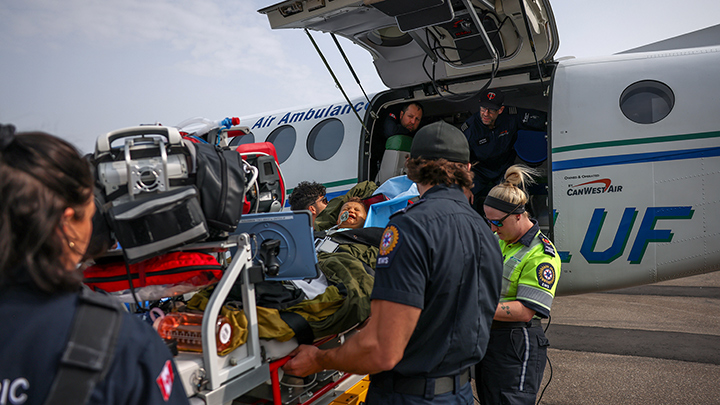
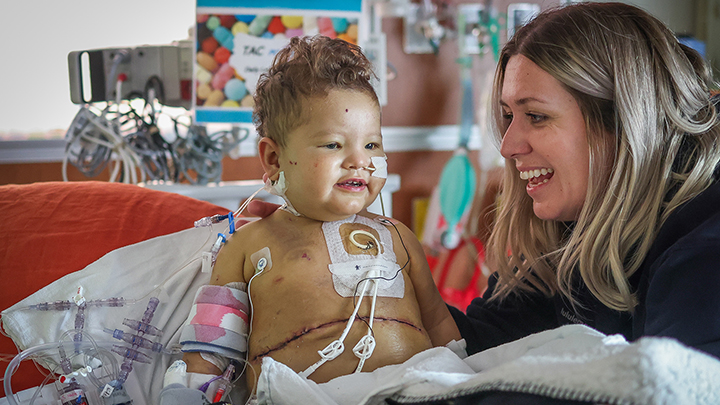
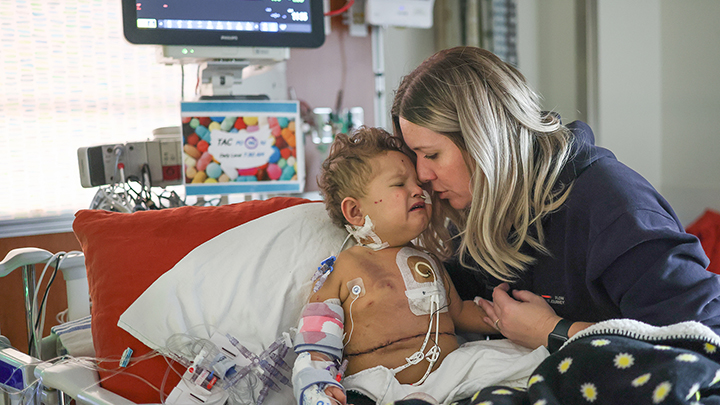
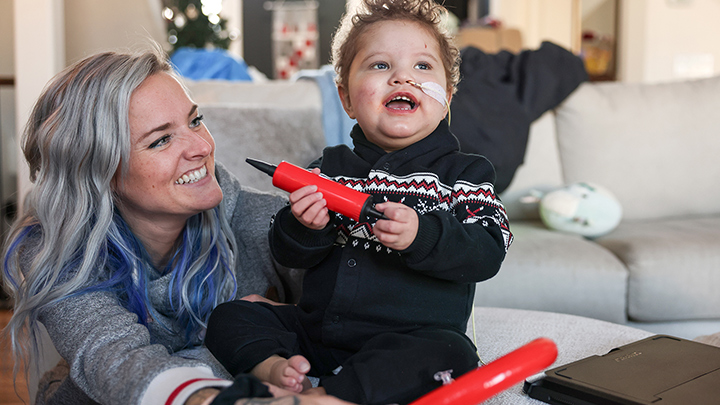
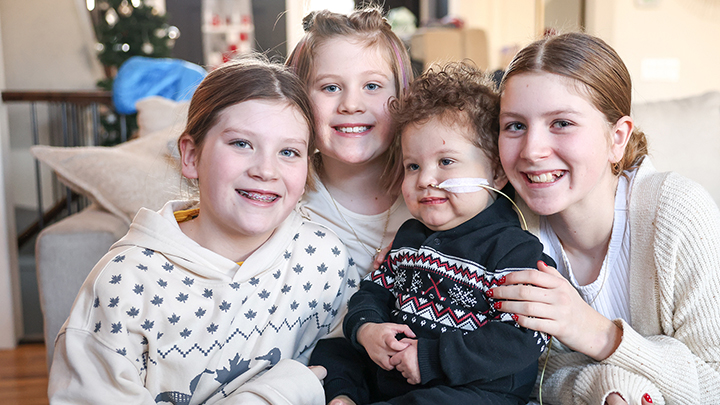
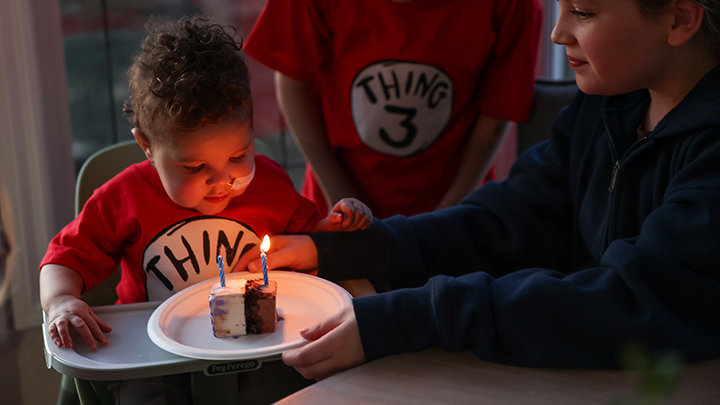
AIRDRIE — Turning two is a milestone for any toddler, but Colby Crofts' second birthday was extra special. In January, he celebrated with a new liver — donated by a family friend.
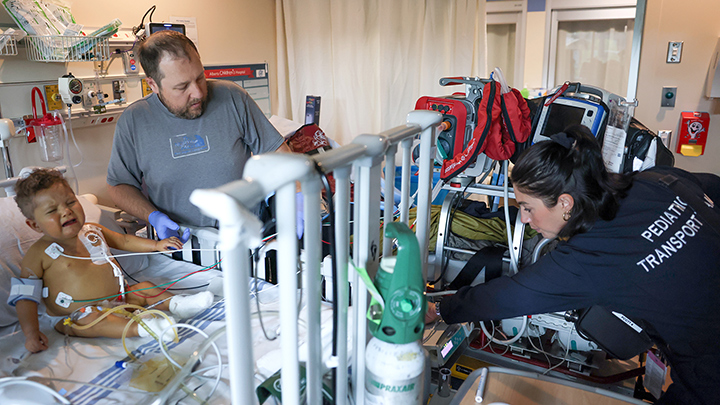
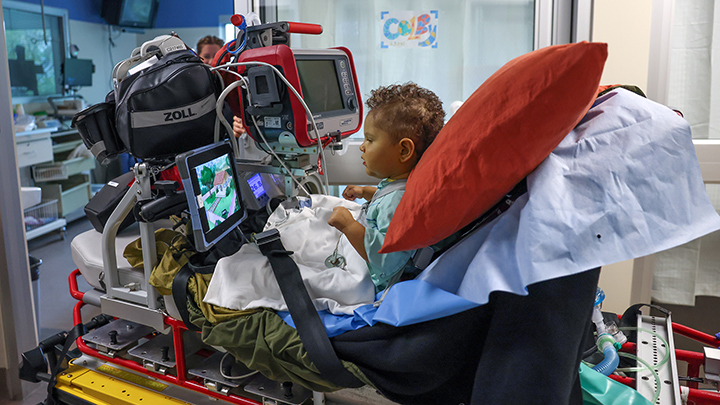
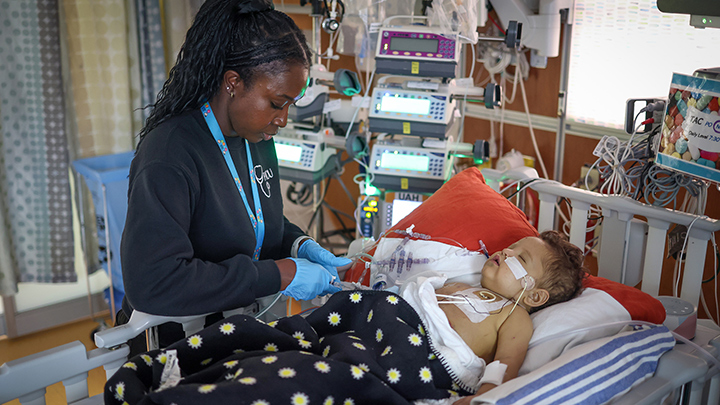
The Airdrie boy was born with Alagille syndrome, a rare genetic condition which causes a toxic bile build-up in the liver due to insufficient bile ducts. Colby has spent most of his life in the hospital; the disorder eventually led to various infections, acute pancreatitis, as well as kidney and liver failure.
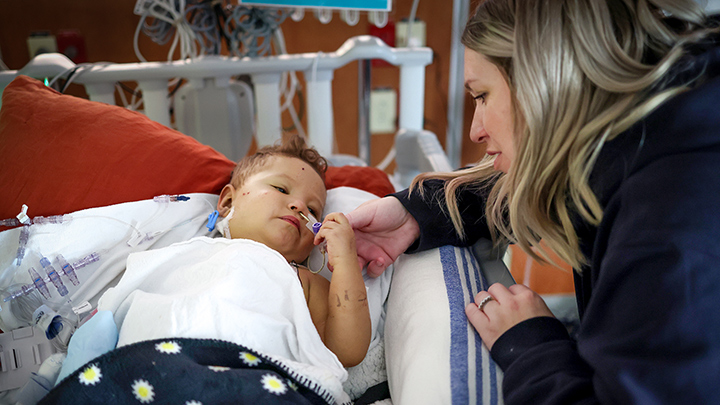
“We were noticing signs of (the disorder) progressing quite a bit,” recalls Colby's mother, Stephanie Crofts. “He had pruritis, a very severe itch from the liver disease … It was debilitating because he couldn't sleep … he would scratch his face until he bled.”
At 18 months old, Colby was added to the wait list for a liver transplant from a deceased donor. But his medical team at the Alberta Children's Hospital told his parents that Colby's best bet would be a living donor.
“That was something that was brought up through the transplant team was that living organ donation was an option, if we knew somebody or could find somebody who would be a match for Colby,” says Stephanie.
Dr. James Shapiro, director of Alberta Health Services' Liver, Living Donor and Islet Transplant Programs, says about one-quarter of his team's transplants are in pediatric patients. Colby's case was particularly high-risk.
“We try to (transplant) the children with living donors because we know they are healthier liver grafts, and the more complex surgery can be scheduled within daylight hours with rested teams (compared to a deceased donor),” says Dr. Shapiro.
Amy Hasson, a family friend of the Crofts, was familiar with the extensive living donor testing process and surgery; her mother was a kidney donor years ago. As soon as Hasson heard Colby needed a liver, she stepped up.
“My heart actually broke for (Colby's family) … as a parent, I couldn't imagine going through that,” says Hasson. “So I prayed about it and I got tested, and when I found out I was a match, I just felt this overwhelming peace … it was what I was meant to do.”
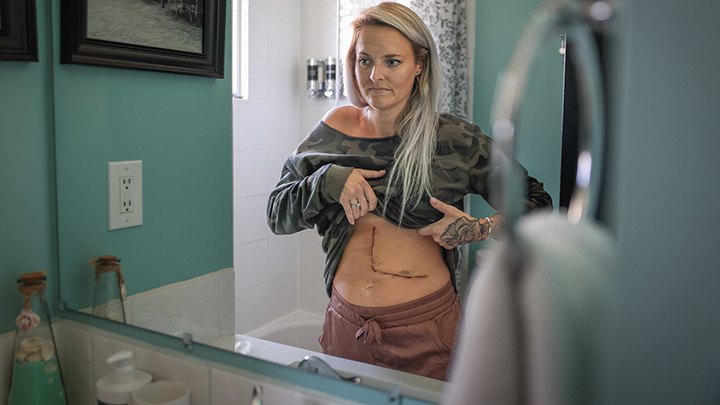
On Sept. 18, 2025, both Hasson and Colby were wheeled into separate operating rooms in the University of Alberta Hospital. After one surgical team removed a part of Hasson's liver, another, led by Dr. Shapiro, transplanted the precious piece into Colby's little body. Both surgeries went smoothly.
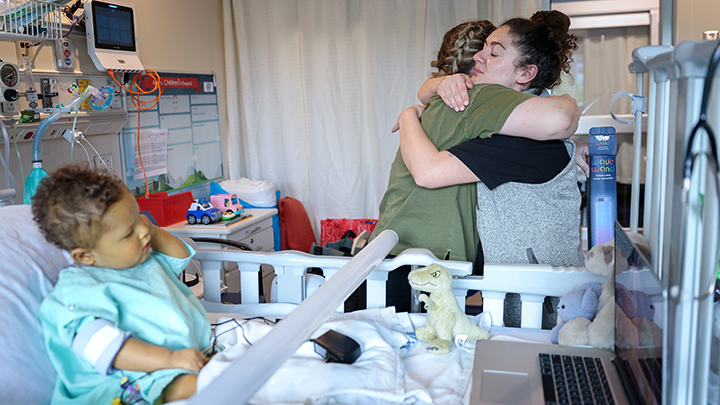
When Hasson was moved to the recovery room, Colby's mom went to her bedside. “We had a good hug and a good conversation … it was really special to go see her right after (surgery),” says Stephanie.
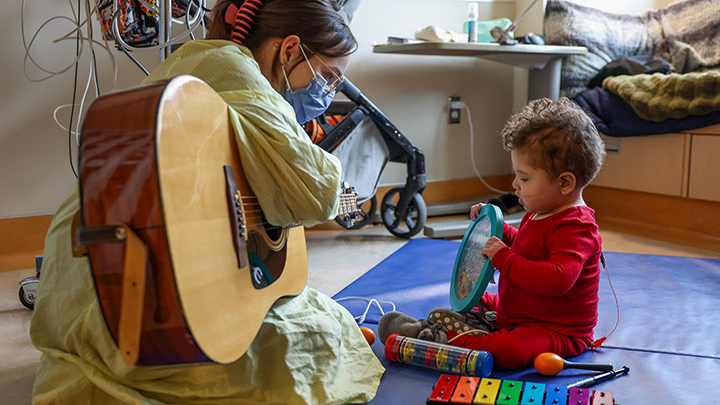
A few days later, Hasson was strong enough to walk down the hall to see Colby herself. And a few days after that, she watched him happily wiggling to music.
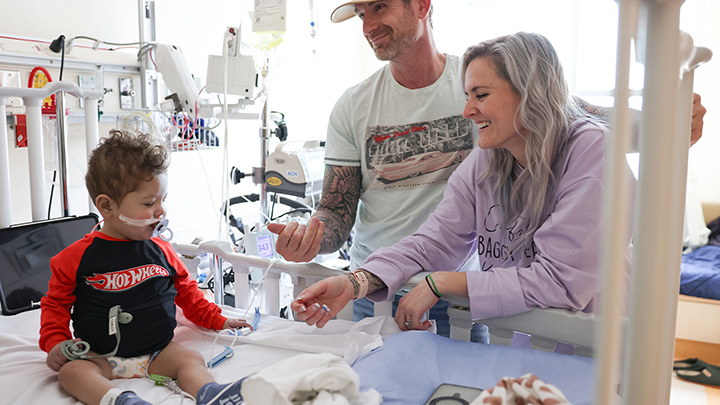
“He loves music — so to see that and see just in that one week a huge difference between before and after — it's life-changing,” says Hasson. Since his transplant, Colby has been thriving; his mobility, strength and speech have all improved.
“The really good news about pediatric (patients) is the highest risk is usually within the first few weeks to the first few months after a transplant. If you're doing well at that time … you've pretty much got a full lifetime ahead of you,” says Dr. Shapiro.
Stephanie says her family is beyond grateful to Colby's medical teams — and of course, to Hasson, who was invited to Colby's birthday party.
“I think the only thing you can say is 'thank you'. I've said it time and time again, I'll say it for the rest of my life. To Amy, it was nothing. To us, it was....” Stephanie trails off, choking back tears.
In 2025, a total of 75 living donors selflessly saved lives in Alberta; 71 donated kidneys and four gave liver lobes. For more information on organ and tissue donation, visit GiveLifeAlberta.ca.
For health advice 24/7 phone 811 a free health information service. You have options to speak with a variety of health professionals.
Alberta Health Services values your input. Your feedback will help us continuously improve the quality of Alberta's healthcare system.
Online payment is available for hospital stays, food handling permits, ambulance services, courses, parking citations, and parking permits.